


“The Paths of Peace”
Before the Missionary Training Course began on 9 May, Father Giulio Albanese, in his introductory reflection, emphasised the importance of strengthening the collective resolve to continue within a framework of missionary and geopolitical training grounded in hope. While acknowledging the current challenges posed by armed conflicts and economic inequalities, he emphasised the need for a vision that addresses the complexity of reality. Hope emerges when we refuse to view history as determined solely by power, keeping alive the conviction that a shift in human action can make a difference. The responsibility to build relationships based on justice is fundamental. Geopolitics must be interpreted with care and awareness, promoting an open dialogue characterised by creativity even in the peripheries. Pope Leo XIV issued an appeal for peace, urging leaders to stop wars and promote dialogue. Building peace requires long-term processes and a change of mindset. Hope represents a form of wisdom that does not surrender to reality, combining realism with imagination. This challenge is crucial at the conclusion of a formative journey that intertwines mission and geopolitics. It is essential to view the world through the lens of the possibility of a better future, for human history is still an open book. We have a responsibility to leave our mark and give an account of our hope. After hearing the commitments to building the common good, the floor was given to Lucio Caracciolo, who shared some reflections on peace defined as dialogue and communication.
Lucio Caracciolo stated that dialogue represents a political guarantee and not merely a balance between opposing forces. It is a cultural premise that acknowledges historical plurality within social dynamics. The concept of ‘two’ implies the recognition of the other in dialogue, but this dimension is threatened by individualism and egocentrism, which are symptoms of a crisis in social cohesion. It is essential to analyse crises and theoretical conflicts in the current context, particularly with regard to the United States. If we do not change this dynamic, we risk facing conflicts with a sense of powerlessness. The crisis in the West is also evident in relations between Italy, Europe and the Holy See. The ongoing political crises between the United States and Italy, influenced by American decisions, were highlighted. Reference was also made to the identity crisis currently affecting America. A dialogue-based approach would be desirable, as it could improve mutual understanding even in a context of conflict, particularly with regard to the implications of the current relationship between Pope Leo XIV and President Trump.
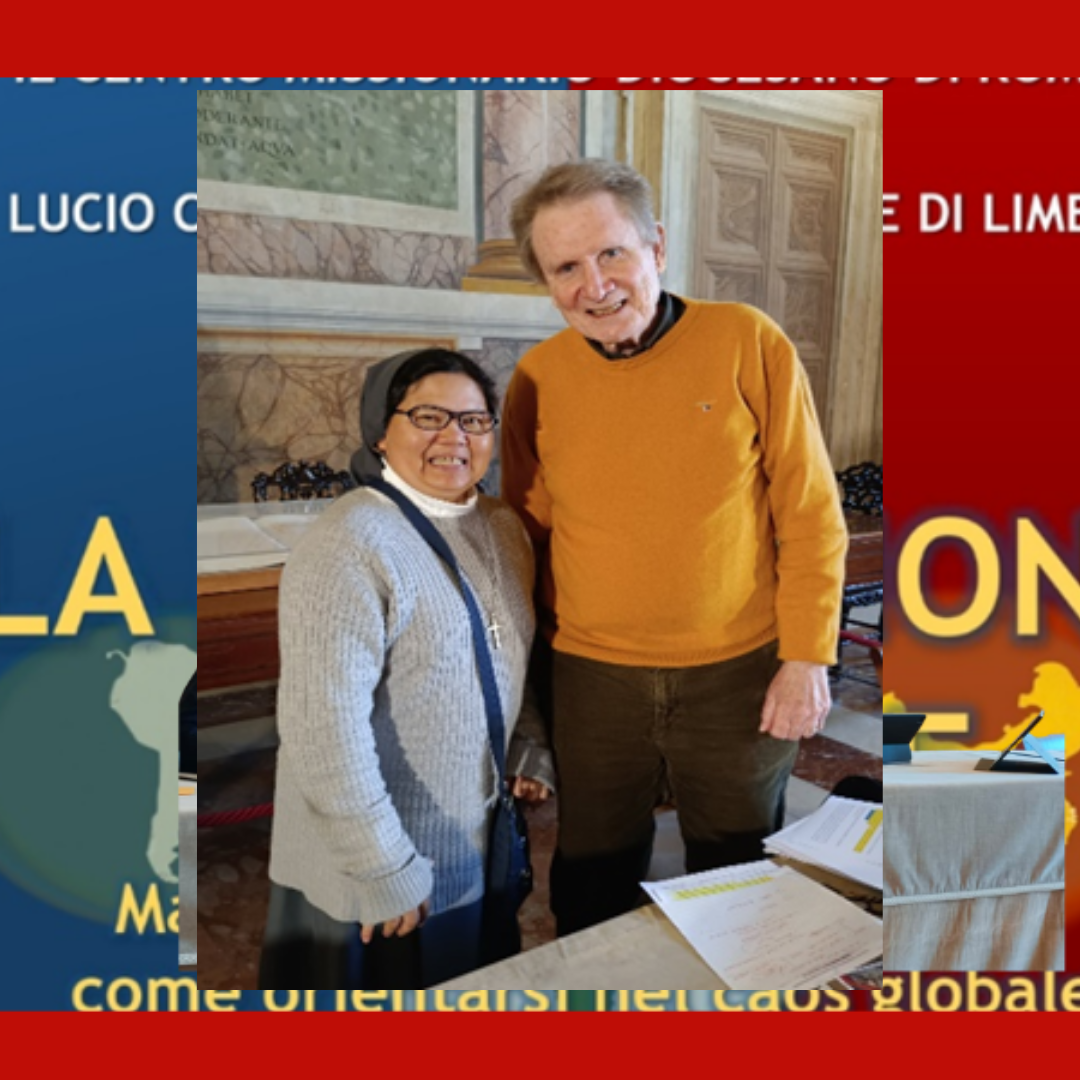
The discussion then turned to the complex issues linked to political crises and relations between institutions, particularly between the Church and the US government. Reference was also made to questions of morality and conscience, with a focus on historical and political events such as the relationship between Obama and the American people. The session concluded with a reflection on the importance of the connection between humanity and mutual respect. Pope Francis’s teaching proposes three fundamental paths to peace: Social friendship: An ethical and political principle that promotes an inclusive and just society, aiming to overcome the throwaway culture and foster mutual recognition. It is essential to develop a culture of encounter and care in order to build relationships based on fraternity and respect. Disarmament and non-violence: It is crucial to halt the arms race and promote peaceful solutions to conflicts. War is considered immoral and cannot be justified. A peace architecture involving both global and local institutions is necessary to ensure social justice. Moving beyond the current development model: It is essential to combat inequalities and promote a sustainable economy that respects human dignity and the environment. This requires economic transformation and a commitment to climate and social justice, recognising everyone’s right to live with dignity.
Sr Erica Niati