


The climate change
The economy is growing at a dizzying speeds, numerous new industrial sectors have emerged, and the standard of living of the population has improved considerably. However, alongside this progress, climate change has become a cause for serious concern. First and foremost, we must understand what climate change is. It refers to changes in the climate that occur over a very long period. This phenomenon has affected the habitats of many terrestrial organisms. It involves changes in the intensity of atmospheric circulation patterns, and there is also an alteration in natural hydrological cycles, which are deviating from their historical and predictable patterns.Global climate change is becoming increasingly severe. Among the main manifestations are global warming and the melting of ice, phenomena which in turn cause sea levels to rise. There are also extreme weather events such as storms, floods, tsunamis and earthquakes, as well as prolonged droughts and cold spells. Researchers indicate that West Antarctica is currently the main contributor to global sea-level rise. Meanwhile, the Greenland and Antarctic ice sheets are melting rapidly, releasing cold water into the ocean. This process not only causes sea levels to rise but also alters tropical currents and hydrological systems. Coastal areas are currently under severe pressure due to saltwater intrusion, which makes infrastructure systems vulnerable to all kinds of damage. At the same time, Unique ecosystems such as mangrove forests and seagrass beds are at risk of loss and degradation. Furthermore, drought conditions in the Amazon rainforest region triggered record-breaking fires in Venezuela between January and March 2024. Meanwhile, drought in south-eastern Africa has damaged crops and put many people at risk of famine. Causes of global climate change. Fundamentally, there are two main causes of global climate change: natural causes and human-induced causes. Human activity is the primary cause of the rapid and alarming acceleration of climate change. However, natural factors also influence this process. Certain natural causes of global climate change – such as volcanic eruptions, earthquakes, tectonic plate movements, variations in ocean currents, and changes in the intensity of solar radiation and solar temperature cycles – can affect global temperatures and the climate.
As regards causes attributable to human activity, these can be traced back to the advent of industrialisation and large-scale production of goods, which requires the use of energy and natural resources. This production process generates vast quantities of emissions and waste. Furthermore, deforestation and the felling of trees are reducing global forest cover, diminishing the capacity to absorb carbon dioxide and exacerbating air pollution caused by harmful emissions. The reality of global climate change is having a profound impact on human life and on numerous species worldwide, leading to a reduction in biodiversity. Rising temperatures, environmental changes and alterations to seasonal cycles are causing a reduction in the habitats of many species. This has repercussions on ecosystems and food chains, compromising the balance and stability of the environment and profoundly affecting the survival of both species and ecosystems. Rising temperatures and changes in weather patterns are also having a significant impact on energy supplies.
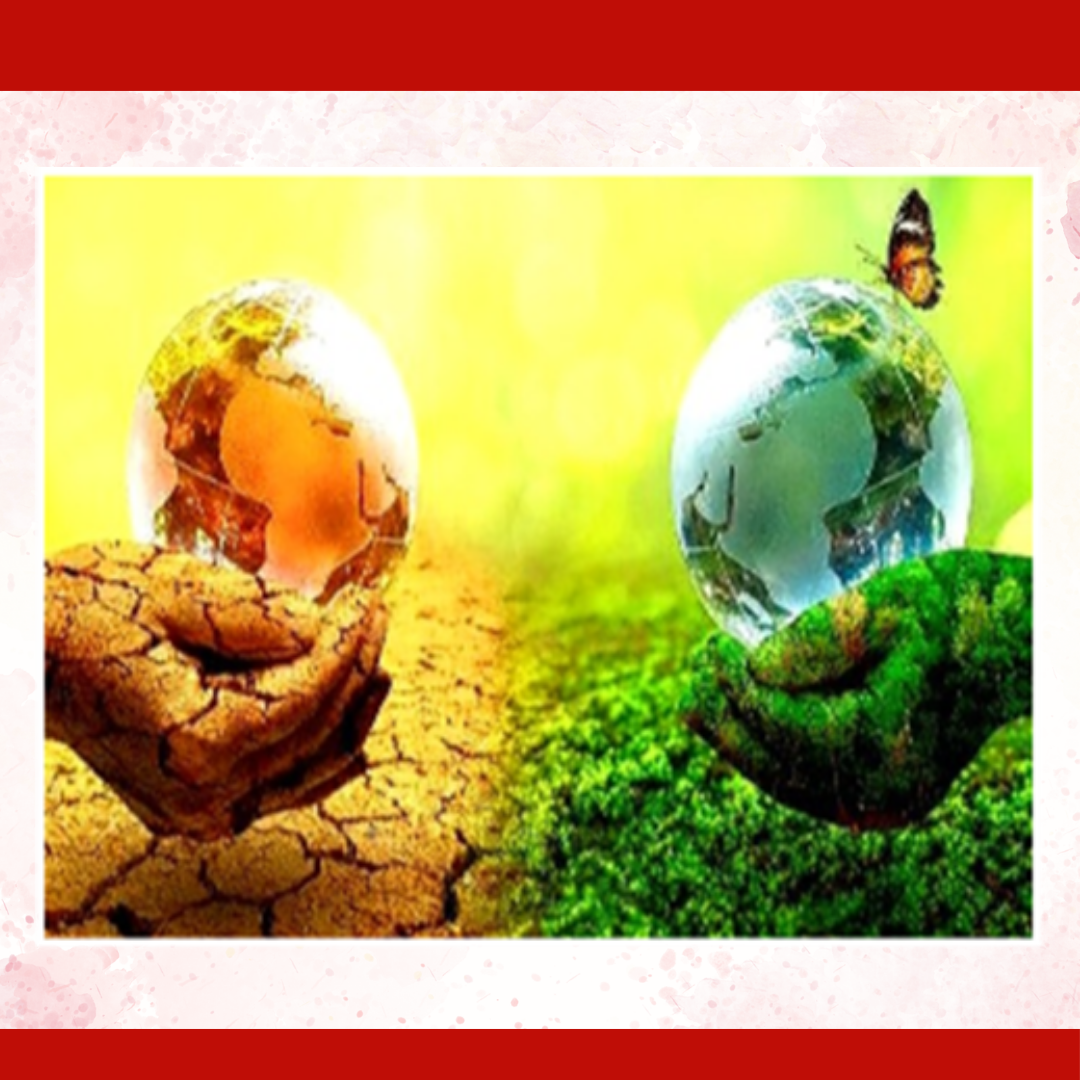
Traditional energy sources such as fossil fuels, coal and oil are becoming scarce and generate greenhouse gas emissions. Changing environmental conditions and weather instability also affect agricultural production and crops. Rising temperatures, droughts, floods and changes to seasonal cycles are reducing crop yields, leading to a decline in food availability, rising prices and risks to global food security. To mitigate global climate change, we must join forces and contribute through various initiatives: switching to renewable energy, a key solution for mitigating the impacts of climate change. Renewable energy sources include solar, wind and hydroelectric power, as well as bioenergy. Not only do they represent a clean, emission-free source of energy, but they are also virtually inexhaustible. The transition to renewable energy systems helps to reduce greenhouse gas emissions, protect the environment and ensure a sustainable energy supply for the future. Protecting forests and biodiversity is essential for environmental conservation and maintaining the natural balance. Forests play a vital role in carbon sequestration, producing clean air and providing a habitat for numerous species. Raising awareness and providing education are the ways in which we can inspire and encourage every individual and every family to take part in environmental protection activities, such as using renewable energy and minimising waste: all of this makes it possible to promote concrete actions to mitigate the effects of climate change. Climate change is not merely a challenge; it is also a warning to humanity about the fragile balance of nature. Its negative effects on the environment, the economy, health and society require decisive and timely action to be taken. Only through global cooperation will it be possible to protect our planet and ensure a sustainable future for coming generations.