


When arriving to a new country, beyond the landscape, the first thing tourists come into contact with is probably the culture of that country. And one of the factors that represents the cultural beauty of the country is the traditional costume. It is something that identifies a part of the culture of that country, it is something special, that is made in a special way. Therefore, it has to be made from different and special fabrics. In the Bolivian textile industry, traditional fabrics are often made from natural fibres such as alpaca, llama and vicuña. These fabrics come from fur-bearing animals in the Andes and are woven by hand to create unique products such as ponchos, blankets and other garments. Some important traditional textiles of Bolivia are: Alpaca, Llama and Vicuña
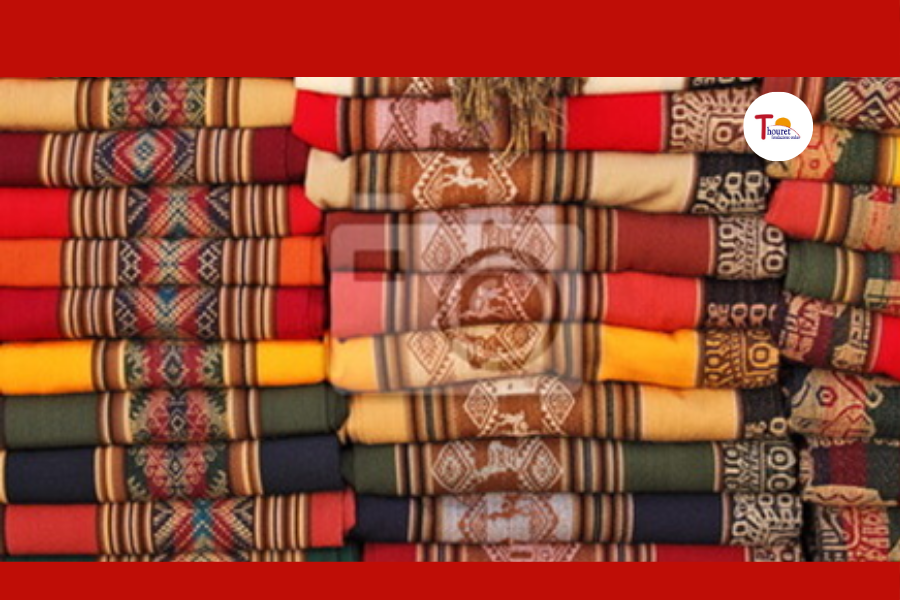
Alpaca fabric is made of the fur of the alpaca, a mammal of the camelid family. Alpaca fur is known for its softness, warmth and resistance that is particularly non-irritating to the skin. It is often used to make jumpers, scarves and other winter clothing. Alpaca fabric is also extremely durable, resistant to many chemicals, UV rays and abrasion. This helps alpaca to retain its shape and quality for a long time. Another characteristic of alpaca fabric is its transpiration, which helps the wearer feel comfortable and uncomfortable when used in summer or in humid areas. Alpaca fabric, woven from the fur of the animal, has an important traditional significance in South America, especially in Andean culture. It symbolises nobility, luxury and protection, because it is a warm, durable and high-quality fabric. The indigenous people considered alpaca fabric the “fabric of the gods” and often used it to make clothing for the nobility. The indigenous people had a reverential attitude towards alpacas and alpaca fabrics, considering them gifts from the gods, bringers of good fortune and prosperity. Sr Quynh