


Butterflies, geckos, and palm trees
Sumatra, Nias, Java, Borneo…
Returning to Indonesia for the second time in less than eight months, was a grace for me. It gave me an opportunity to deepen in some traits of this people: meekness, joyfulness, and attachment to the land. They are eager to free themselves from rushing off to a better paying job on Malaysian soil. What strikes me about Indonesia is the endless expanse of green. This forest is so wild that, every time it is resized, it grows back even more luxuriant and intricate. In these islands there is not only greenery, but animals of all species, some of them have accompanied my journey by reappearing in the most crucial and breathless moments. The large butterflies of every color revealed themselves with their fascinating flight. An understanding of their passage was enigmatic. But it was enough to look at them as they rose up to the sky, full of hope. Geckos, small transparent reptiles, fast and cunning, which can be found everywhere in the house, moving quickly on the walls. Animals that may seem annoying, but that feed on insects, are harmless to humans and in some ways are a discreet and hidden presence and company. These were just some of our travel companions.
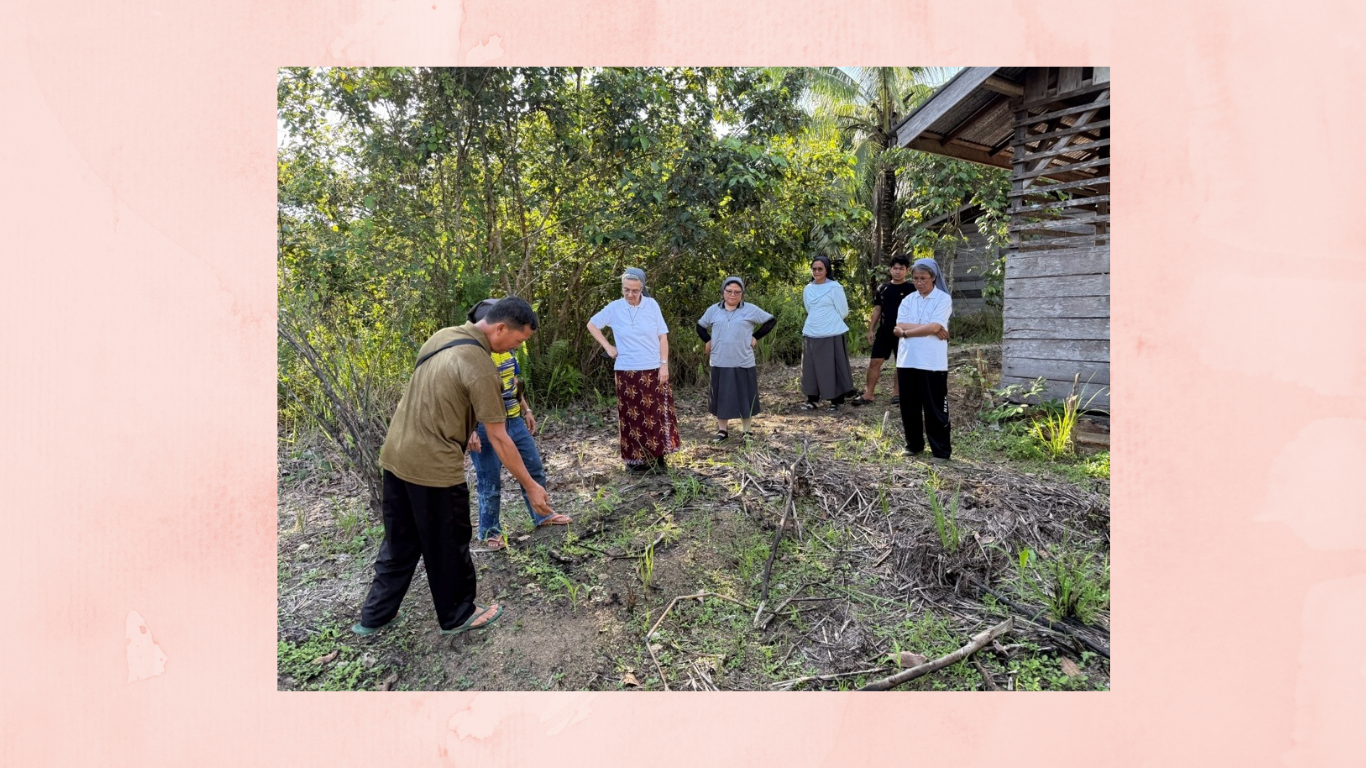
With Sr. Maria Luisa Caruso, general councillor and President of the Thouret Foundation, we had a mission. A project to revive Esperanza, or Esperanza Baru (the New Hope), which is an extension of land of 21 hectares owned by the Sisters of Charity in Indonesia and located in the Kalimantan region. It is a plot so vast that it seems boundless to the eye and containing largely rubber plants. The land contains at least three ponds, 9 wells, and three houses where you can safely and comfortably live. With the help of the Indonesian sisters, we are engaging in a project in which biodiversity is the focus. The Foundation is trying to create jobs and provide housing for those willing to help with this project.Prior we have met many people representing both government offices and private associations that already work the land and do intensive breeding of laying hens. Among all, the cooperative that most convinced us because of its concrete style was Keling Kumang.
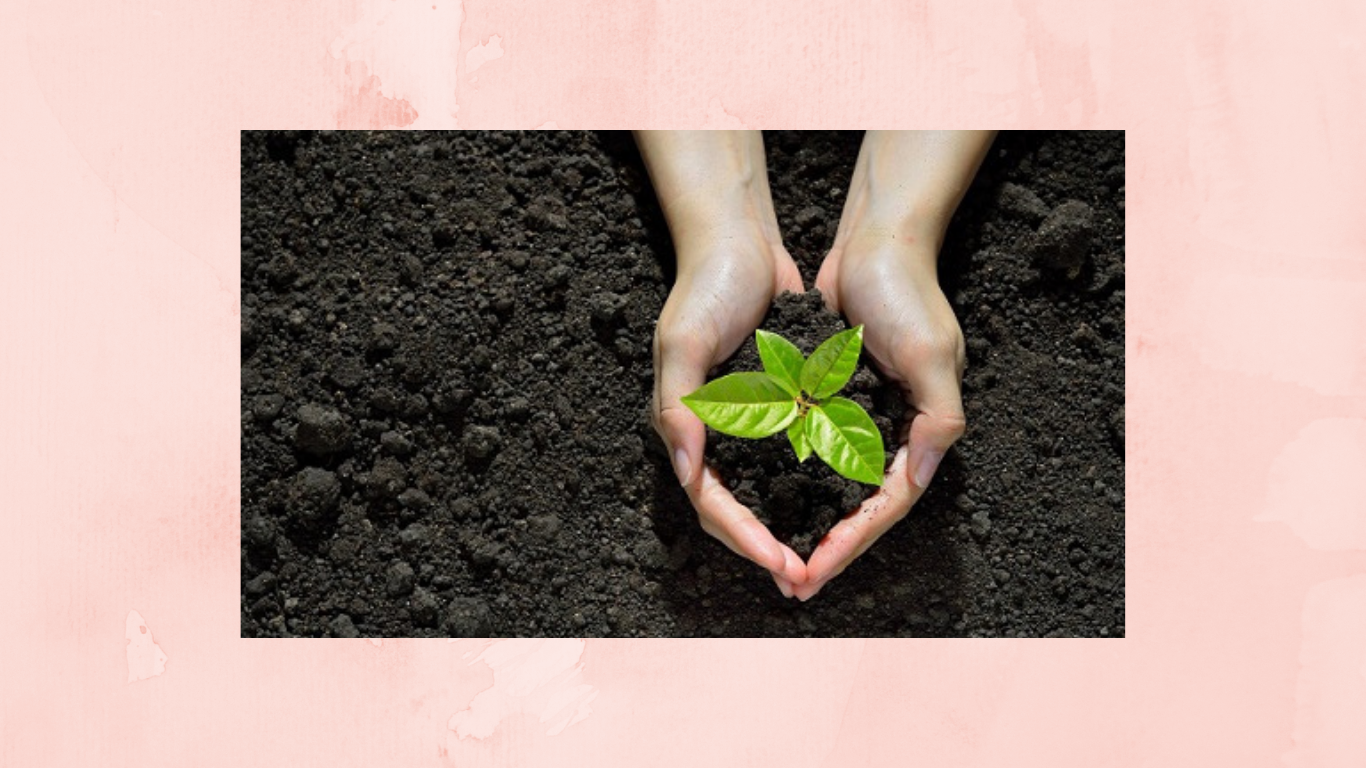
This is an organization linked to Credit Union’s microcredit, which has sales and production points everywhere in the region. From the beginning it has proved to be an excellent point of reference both for agricultural skills and for the widespread sales network. Some executives came with us to visit Esperanza and, apart from the fatigue traveling in a pickup and dealing with muddy roads dotted with holes, they were fascinated by the potential of the soil. Once the soil would be enriched and integrated with mineral substances, it would be able to produce crops in abundance but also sustain animal farms and, in particular, laying hens. The city of Sintang alone, the largest near Esperanza, has a monthly demand of 7,000,000 eggs with only 10% of this need being met. Thus, there is the possibility of having an outlet market which could provide jobs for people in the surrounding villages. Hybrid maize is also in high demand for animal feed and there is not enough production of it either. The government has recently launched a “free lunch” campaign for children in kindergartens and primary schools. We believe that this novelty will also increase possible sales given the need for fruit and vegetables for a large school population. There are many school age children. The dream on this land is to create a production center that respects biodiversity and an agricultural center where everyone feels they are esteemed collaborators using their skills to bring innovation and experimentation. Women in particular are the engine of Indonesian society. We already imagine a women’s cooperative in which the sisters can guide paths of human and spiritual growth, as well as professional learning. A small health center could be opened where, one day a week, there would be the possibility of a quality medical consultation. These are some of the dreams shared with our Indonesian sisters, in particular Sr. Iki, Sr. Siwi, and Sr. Francisca. These sisters desire to be active in the redevelopment of the land and implementation of projects. They are, also, supporters of biodiversity.
Biodiversity is at risk in many areas of Indonesia. The deforested land is largely occupied by expanses of oil palms, so invasive and so dangerous for the future productive capacity of the land itself. In fact, they take away vitality and richness from the land, preventing the growth of underlying crops and impoverishing the soil more and more. Palm oil is an attractive market (driven by its versatility in the food, cosmetics, and biofuel industries) and Indonesia together with Malaysia holds 86% of its production. We hope that with the help of many people we can make all this real by giving opportunities for work and growth to many people. And, also, revising the palm oil market circuit in a more virtuous and respectful process safeguarding the great variety of flora and fauna already present in the area. In advance we thank those who are working hard to make the project known and helping to connect us with other people who can collaborate with us for this project.On behalf of the Thouret Foundation, we would like to thank Dr. Harina for her closeness, generosity and for making possible the important meeting with the Mayor of Sintang, Mr Bala. On that occasion, Mr Bala assured us of his interest and support, especially for the long-standing problem of the road leading to Esperanza.
Sr Isabella Ayme