


“Global China”
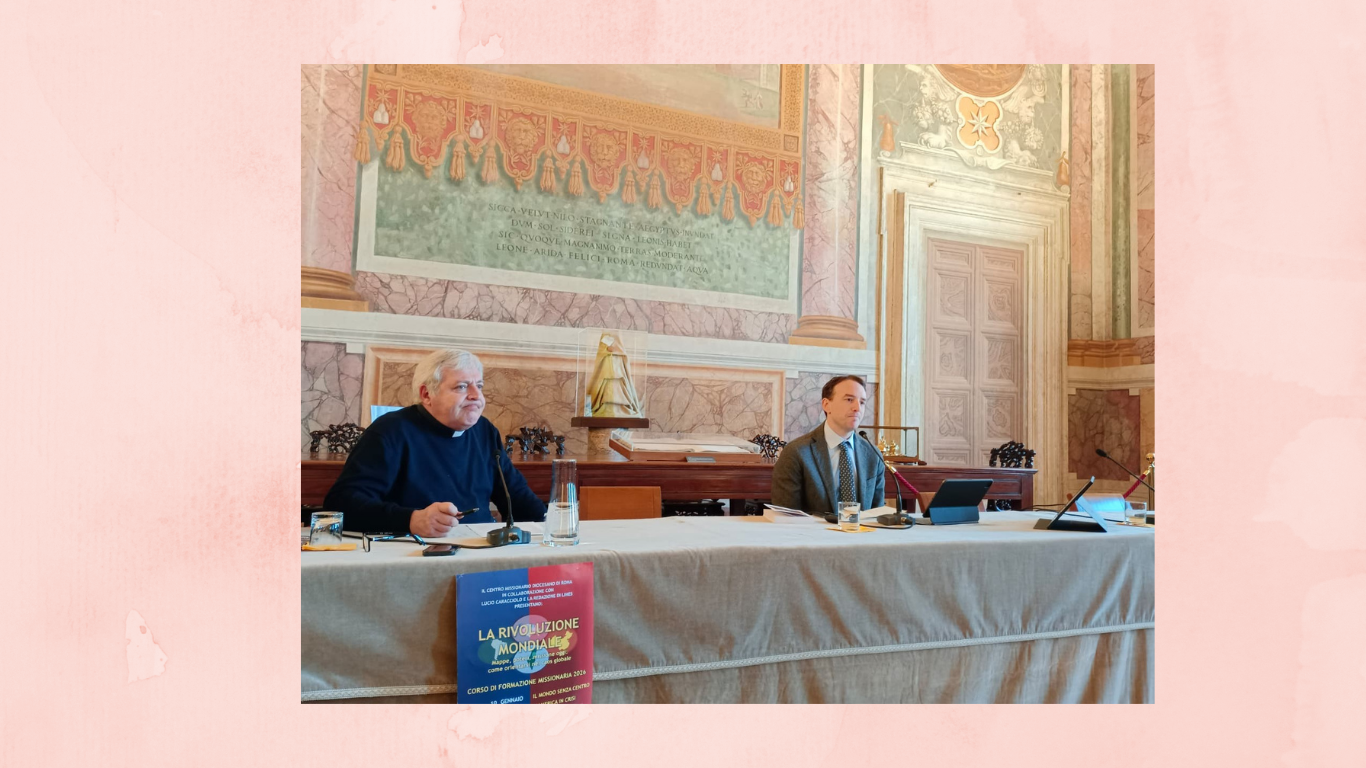
On Saturday, April 11 Giorgio Cuscito, analyst and scholar of the geopolitics of China and the Indo-Pacific, as well as being on the editorial staff of “Limes”, spoke about the role of China in the global crisis. This was the fourth formation meeting promoted by the Missionary Center of the diocese of Rome and Limes and was held in the Conciliation Hall of the Lateran Palace. The morning of reflection was opened with a presentation by Father Giulio Albanese, a Comboni priest, and director of the Diocesan Missionary Center. He is also the director of the Office for Social Communications of the diocese of Rome. Then Giorgio Cuscito, reported on the topic. “Today we will talk about global China, a crucial issue for the future of the world order. We are in a period of international tensions, highlighted by the conflicts in the Middle East, in particular between Israel and Iran, which have called into question strategic balances. The Trump administration’s rhetoric is influencing the dynamics between the great powers, including China. It is crucial to analyze China’s role in the climate crisis, highlighting its contradictory position as a major CO₂ emitter and a leader in green technologies. The climate crisis requires a redefinition of powers and responsibilities, with the world divided between the Global North and the Global South. China, while claiming the right to growth, has shown a defensive approach in international negotiations, while the Catholic Churches of the Global South are calling for social justice and a just transition. The climate crisis represents a geopolitical challenge that requires a balance between political realism and global justice. China aims for economic advantages and strategic military positioning. The relationship between Italy and Africa is important, given that the Mediterranean is a crucial link. Despite past opportunities, Italy recently signed a cooperation agreement with China, which poses a challenge to its national security. In a context of instability, Italy faces risks related to growing Chinese influence. It is essential to consider what we digest. Jiang Zemin’s recent statements, recalling the link between Taiwan and the People’s Republic of China, reflect Mao Zedong’s thought. A poll shows a gap in opinion between those who want to maintain the status quo and those who are willing to fight for Taiwan.
In addition, Russia is increasing its presence in the Pacific and forging ties with China in response to NATO. This has allowed China to expand its influence, especially in Central Asia and the Arctic, with new trade routes becoming vital as the ice melts.” After a little break, Father Albanese began with a line from a famous film: “Crazy, crazy, crazy, crazy.” “Prayer is an antidote to current fears, and cultivating hope is vital. I share a prayer of Pope Leo XIV for peace, asking God to guide world leaders towards dialogue and solidarity so that the nuclear threat no longer affects humanity.” The Pope condemned the threat to Iran and the attacks on civilian infrastructure, stressing the importance of dialogue. China plays a significant role, while the American-Iranian conflict could foster strategic opportunities for Beijing, highlighting a growing alignment of African countries with the BRICS cartel, which expands its influence in Africa and beyond. China is trying to regain its historical centrality, as the “Empire of the Center”, under the leadership of Xi Jinping.
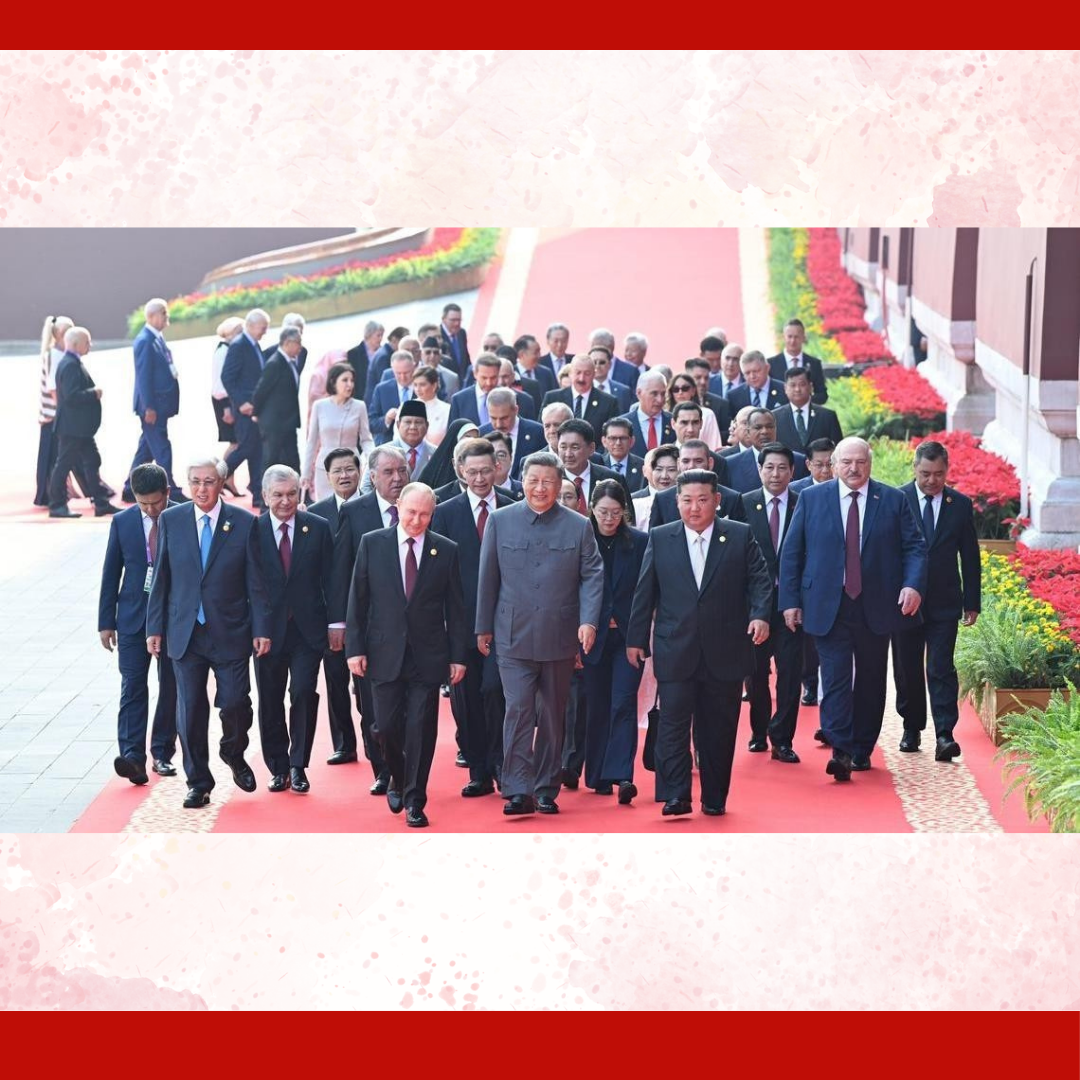
This resurgence aims to overcome the “century of degradation” caused by foreign invasions. China, now an emerging power, combines hard and soft power through initiatives such as the Belt and Road Initiative, which has also influenced Africa. However, China faces domestic challenges, such as economic disparities and a demographic decline, with young people under pressure. The government seeks to incentivize the birth rate and invests in advanced technologies, while addressing issues such as reliance on foreign microchips and environmental limitations. China’s current transformation must balance geopolitical aspirations with domestic realities. The healthcare system, while complex and efficient, faces challenges with population growth and economic pressures. China does not aim to export its own model, recognizing the importance of cultural specificities. There are calls for more rights, but the Communist Party has centralized power under Xi Jinping, limiting internal dialogue. China, while perceiving itself as a global power, considers Taiwan part of its territory, seeking peaceful solutions.
Father Albanese observed: “In view of the current international situation, the role of China, from a geopolitical point of view, is fundamental. Understanding the dynamics of what is proving to be a new course is important for anyone who intends to be a promoter of dialogue and peace between peoples.” This is the penultimate appointment of “The World Revolution.” The training course will end on May 9, 2026, with the meeting entitled “Peace is possible.” This will be attended by the director of “Limes,” Lucio Caracciolo.
Sr Erica Niati