


Webinars: Saturday, 28 March 2026
Women for a dream that comes true
Women’s rights participation in some Asian countries
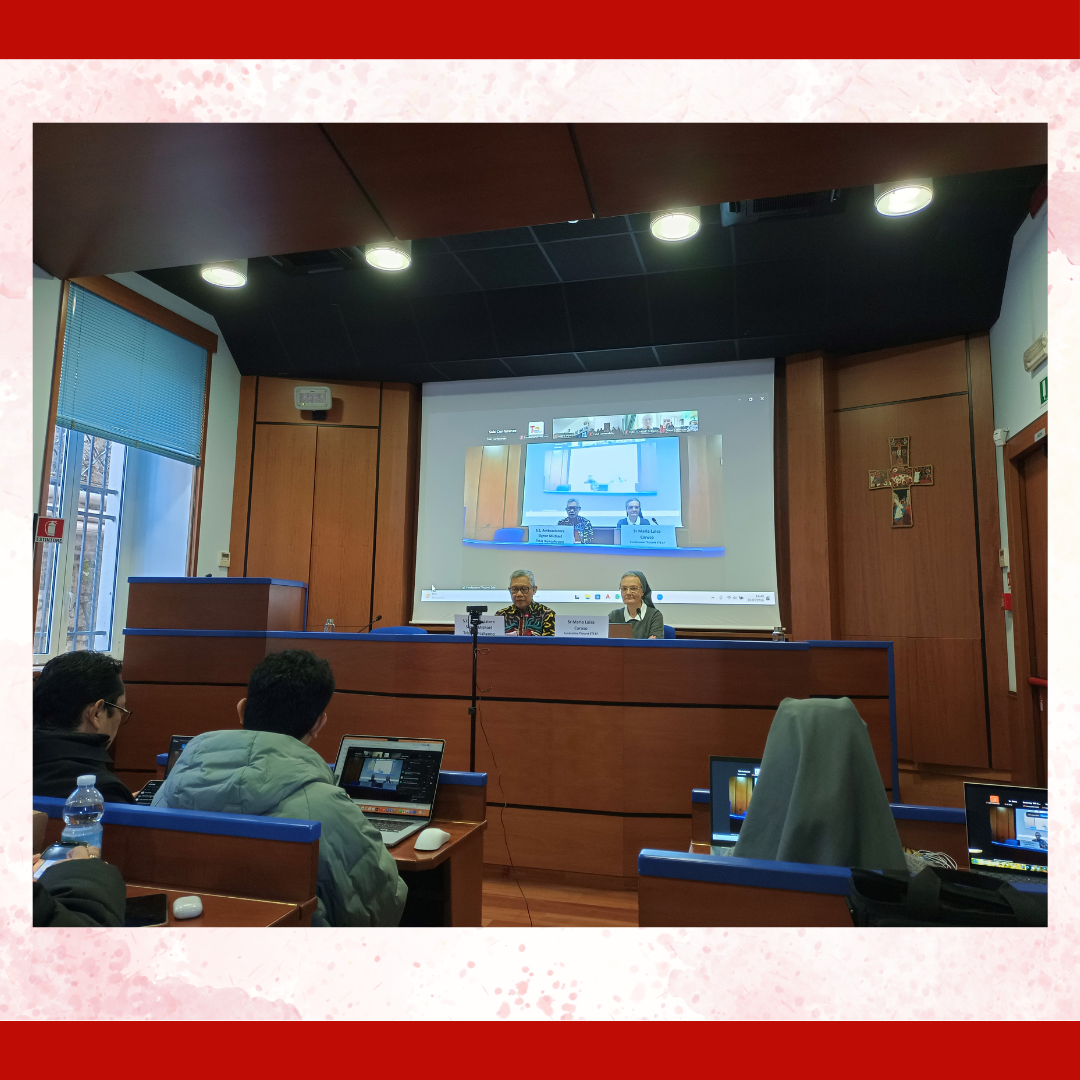
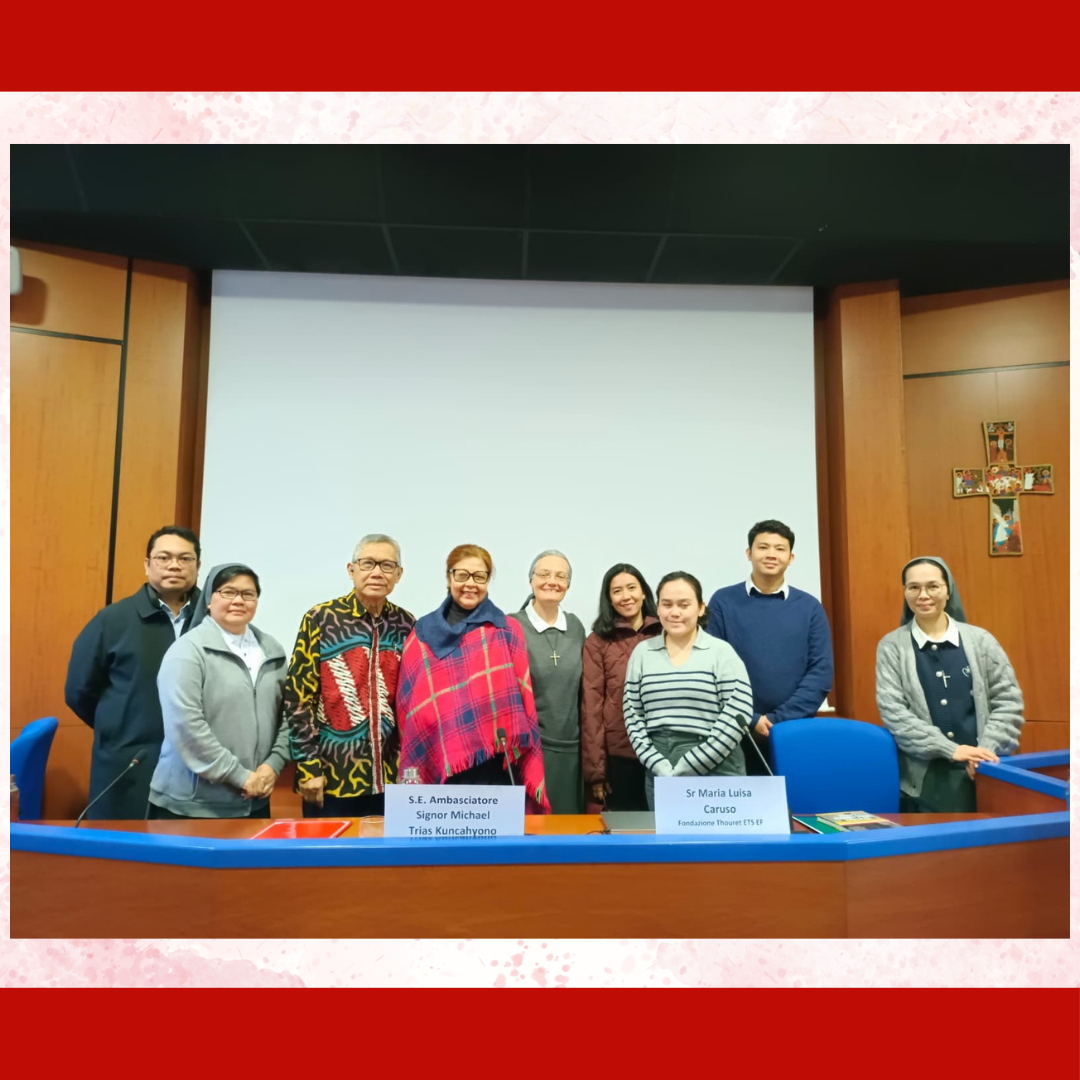
On Saturday 28 March 2026, the Thouret ETS EF Foundation launched a new cycle of online meetings. This one – “Women for a dream that is reality” – is continuation of the previous one. We believe that this series of webinars are very important and relevant to the challenges that women in the world face today. Women play a vital role in our daily lives, both within the family, society and the nation. In the family the role of women, especially mothers, is to be the primary educators in transmitting moral, ethical and social values to their children. They are also tasked with creating a comfortable, safe and loving home environment for all family members and caring for it. In society, an educated mother is able to understand the challenges of the times in order to guide the new generations so that they can make a meaningful contribution to society. Women active in the community realities also contribute to the well-being of the surrounding environment. For a nation, the main role of women is like that of a supporting pillar, being agents of change, educators of the future generation, and engines of the creative economy. Two figures from the Indonesian Government, committed to the promotion of women’s rights and gender equality, participated in the webinar. They offered a broad look at the consideration of women in Indonesian society. H.E. Michael Trias Kuncahyono, Ambassador of the Republic of Indonesia to the Holy See, emphasized the importance of women in the family, society and the economy in the opening address of the webinar. He highlighted their roles as educators and agents of change. She was grateful for the webinar which provided the opportunity to share experiences and solutions to promote women’s rights and raise public awareness. Dra. Hj. Arifatul Choiri Fauzi M.Si, Minister of Women’s Empowerment and Child Protection for Indonesia, talked about the importance of sharing experiences and good practices related to women’s empowerment in diverse social and cultural contexts. Despite the progress made in Indonesia towards gender equality, evidenced by a 94% female literacy rate and an improvement in the Gender Development Index, significant challenges persist. Women continue to face low rates of economic participation, structural barriers, a predominance in the informal sector and violence. Education is crucial to their empowerment, and the Indonesian government is adopting policies to improve their conditions. However, synergy between government, civil society and the private sector is needed to ensure opportunities and protection for all women. The promotion of women is fundamental for social progress and equitable development.
Dr. Amurwani Dwi Lestariningsih, S.Sos., M.Hum Deputy for Gender Equality Minister for Women’s Empowerment and Child Protection in Indonesia, highlighted the government’s commitment to protecting women and children from violence and promoting activities in villages to raise awareness of local traditions related to violence. The women participate in the PKK (Family Empowerment and Welfare) group, focusing on the health and education of children. The government offers training on proper nutrition and encourages the sale of local products to support economic self-sufficiency, which is critical in the fight against violence. It is essential to create alliances between women and NGOs in the sector to build trust and improve well-being. Collaboration between the government and other organizations is necessary to bring about meaningful changes in the lives of women and girls. Alessandra De Poli, Asia News and World and Mission Journalist, talked about her recent experience as an expert journalist in the Asian world. Despite the current difficulties in traveling, she appreciated the experiences she had in various countries where she had the opportunity to observe the resilience of women.
Their fight for education and economic independence is crucial, as demonstrated by Selene Biffi’s work in Afghanistan, which supports women in setting up small businesses. In Myanmar, women are always the focus of the community during conflicts. She also spoke of some visits made to informal schools and projects for women survivors of violence. Women show incredible strength and their resilience is inspiring. Alissa Qotrunnada Munawaroh Wahid, S.Psi., M.Psi Director of the GUSDURIAN Indonesia network, She addressed the audience with a lot of empathy and energy and spoke like this: “After listening to the presentations, I want to share my experience as a psychologist and women’s rights activist. I returned to the social sector in 2010, following in the footsteps of my father, President Wahid, who was known for his commitment to pluralism and human rights. I led the Gusdurian Network, which promotes women’s rights and democracy, reaching 130 cities in Indonesia and initiating interfaith activities.”
Despite progress, we still face significant challenges, such as female leadership in faith-based organizations. Historic initiatives have seen women engaged in maternal health and education. However, early marriage and barriers to education for women continue to persist, especially in rural areas. We have implemented policies to ensure women’s participation in organizations. Despite progress, continued work for women’s rights is crucial. We collaborate with religious institutions and I hope for a meeting of women leaders in Indonesia to continue fighting for women’s rights. Thank you for the opportunity to share my story.”
Conclusion: At the end of this very rich meeting, it was evident the profound work that Indonesian society is doing in favor of the promotion of women, The sisters who work in the Thouret Foundation are grateful for the planning/collaboratiom that we are carrying out in Esperanza, in Sintang, and in Borneo where we are carrying out an agro-pastoral project. We are experiencing important collaboratiom with many associations and the government itself. We hope that this already advanced society will be an example to many other societies.
Sr Erica Niati